The best mat pilates moves for toning core, legs, and arms include controlled, low-impact exercises that engage multiple muscle groups simultaneously. Core-focused moves like The Hundred and Plank variations build endurance and stability, while leg toning is achieved through Leg Circles and Bridge Pose. Arm sculpting involves Tricep Dips and Arm Circles, often combined with full-body movements for balanced strength. Breath control and precise alignment further enhance effectiveness and safety. Exploring these techniques reveals how to optimize Pilates practice for total-body toning.
Why Mat Pilates Tones Core, Legs & Arms
Through controlled, low-impact movements, mat Pilates effectively targets the core, legs, and arms by engaging multiple muscle groups simultaneously. This method emphasizes precise alignment and fluid motion, promoting balanced strength and flexibility.
The exercises rely on body weight for resistance, allowing practitioners to build tone without bulk or strain. Core engagement stabilizes the spine, while leg and arm movements improve muscle endurance and definition.
The low-impact nature minimizes stress on joints, supporting freedom of movement and reducing injury risk. Additionally, mat Pilates encourages mindful breathing and concentration LA Pilates Mat Pilates, enhancing overall body awareness.
This holistic approach helps individuals develop lean muscle and improved posture, fostering a sense of physical liberation that extends beyond the exercise mat.
Build a Stronger Core With These Pilates Moves
Engaging the core with targeted Pilates exercises strengthens the deep abdominal muscles essential for stability and posture.
These movements cultivate control and resilience, allowing for greater bodily freedom and ease in daily activities. Focusing on precision and breath, Pilates encourages mindful engagement of the core, promoting balanced strength without bulk. Key exercises that build a stronger core include:
- The Hundred: boosts endurance and coordination through rhythmic breathing.
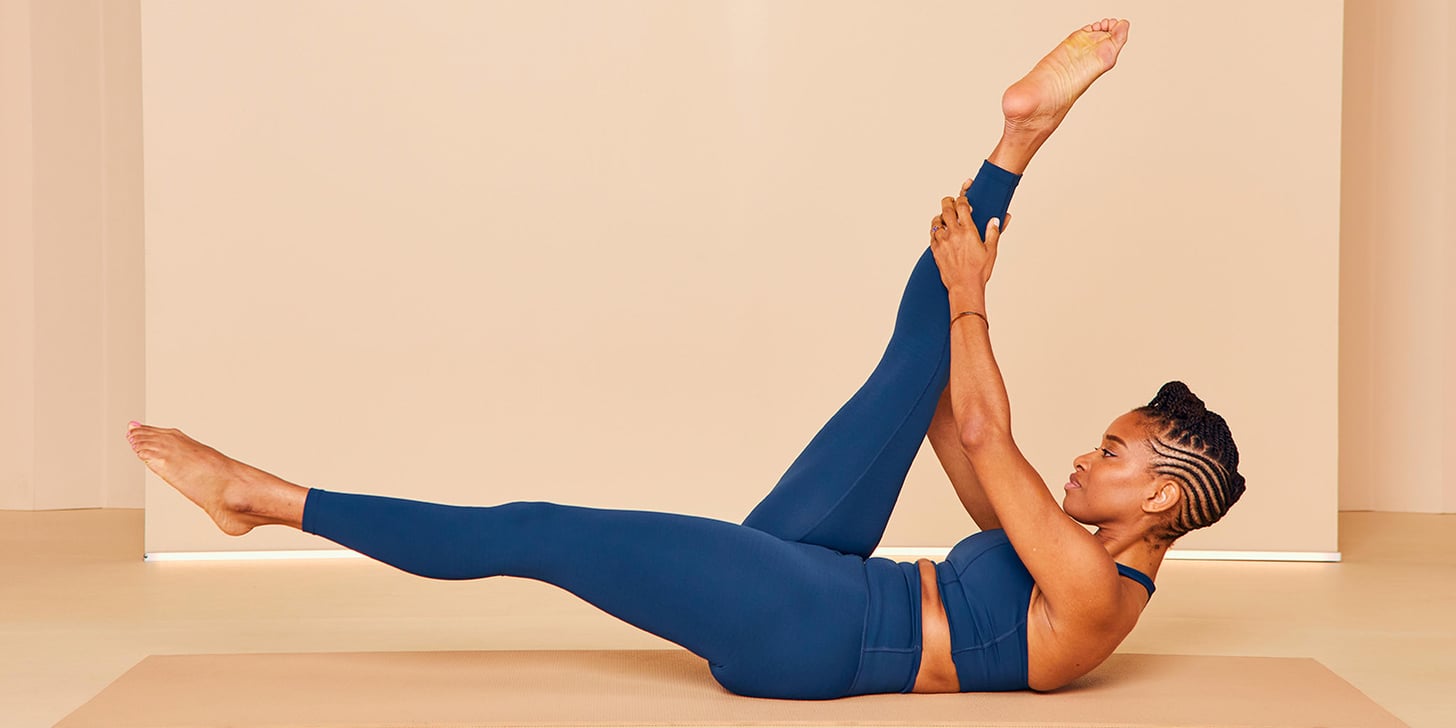
- Single-Leg Stretch: enhances abdominal control and spinal alignment.
- Double-Leg Stretch: challenges core stability with coordinated limb movement.
- Criss-Cross: targets obliques for rotational strength.
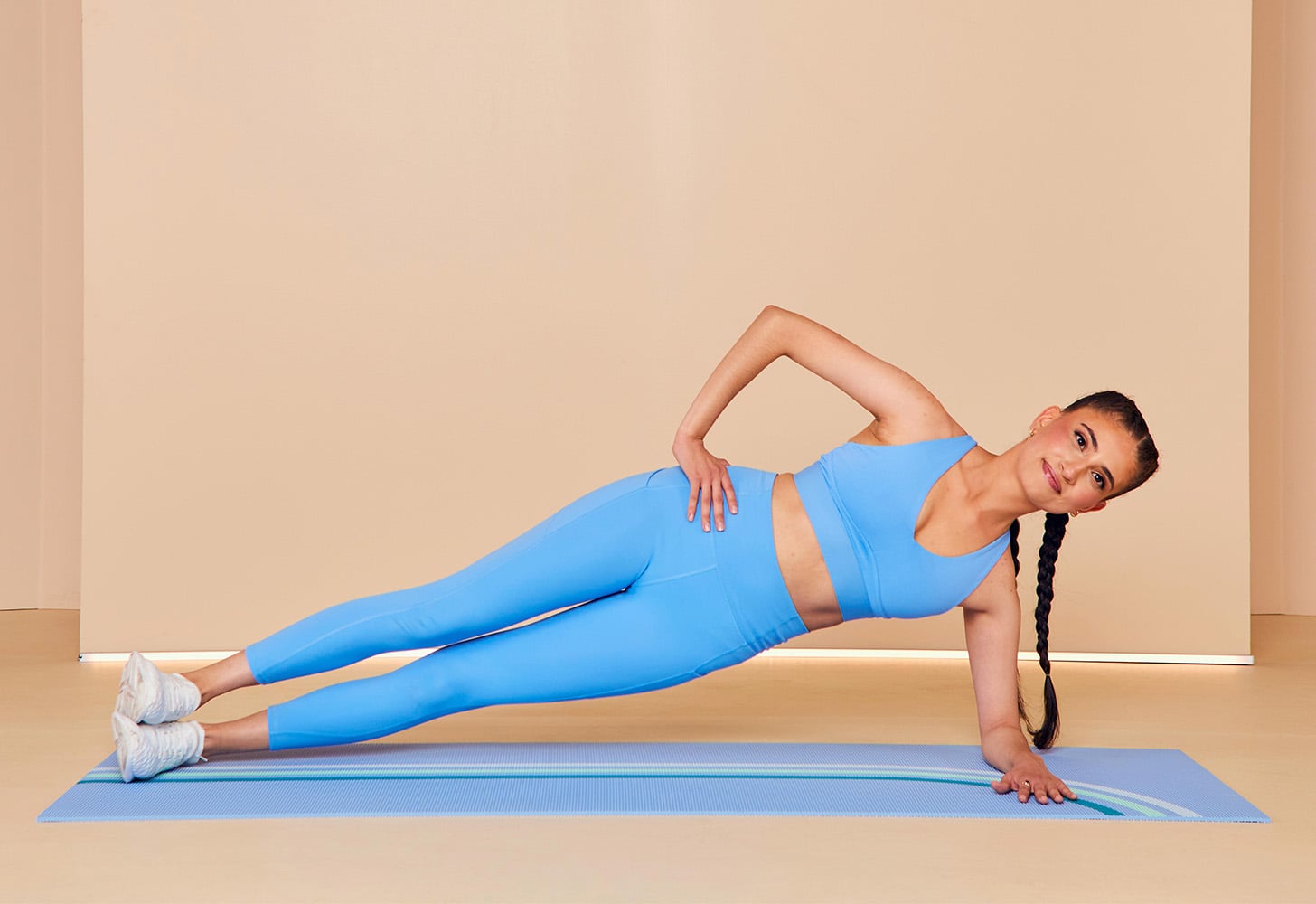
- Plank Variations: develop overall core support and shoulder stability.
Regular practice of these moves empowers the body to move freely and efficiently.
Tone Your Legs With Mat Pilates Exercises
Mat Pilates offers effective moves designed specifically to tone the legs by engaging targeted muscle groups.
These exercises focus on improving strength, flexibility, and endurance in the lower body.
Incorporating Pilates leg routines can enhance muscle definition and support overall functional fitness.
Effective Leg Toning Moves
Targeting the legs with Pilates exercises effectively sculpts and strengthens muscles while enhancing flexibility. Mat Pilates offers a variety of moves that emphasize controlled movement and precision, promoting lean muscle development without bulk. This approach supports freedom of movement by improving balance and coordination, essential for an active lifestyle.
Key effective leg toning moves include:
- Leg Circles: Improve hip mobility and tone thigh muscles.
- Single-Leg Stretch: Enhances stability and strengthens quadriceps.
- Side-Lying Leg Lifts: Target outer thighs and glute muscles.
- Bridge Pose with Leg Extension: Activates hamstrings and glutes.
- Scissors: Focus on inner thighs and hip flexors.
These exercises collectively foster strength, flexibility, and graceful control, empowering individuals to move freely and confidently.
Targeted Muscle Engagement
Building on the leg toning moves, a focused approach to muscle activation enhances the effectiveness of Pilates exercises.
Targeted muscle engagement involves consciously activating specific muscle groups such as the quadriceps, hamstrings, glutes, and calves during each movement. This mindful connection guarantees that the muscles work efficiently, maximizing strength and tone without unnecessary tension.
By isolating and engaging these muscles, practitioners can achieve greater control and alignment, promoting freedom of movement and reducing injury risk. This deliberate focus also improves neuromuscular coordination, allowing the body to perform exercises with precision.
Emphasizing targeted engagement cultivates a deeper mind-body awareness, empowering individuals to move with intention and ease while sculpting lean, defined legs through mat Pilates routines.
Pilates Leg Exercise Benefits
Through consistent practice, Pilates leg exercises strengthen and sculpt muscles while enhancing overall leg functionality. These movements promote balanced muscle development and improve joint stability, enabling greater freedom of movement. Additionally, Pilates leg exercises contribute to increased endurance and better posture, supporting daily activities with ease.
Key benefits include:
- Improved muscle tone and definition in thighs, calves, and glutes
- Enhanced flexibility and joint mobility
- Increased circulation and reduced muscle fatigue
- Strengthened core engagement for stable, controlled leg movement
- Reduced risk of injury through balanced muscular development
Sculpt Your Arms With Easy Pilates Moves
Engaging in simple Pilates exercises can effectively tone and strengthen the arms without the need for heavy weights or complicated routines. These movements focus on controlled, precise motions that engage the muscles deeply, promoting lean muscle development and increased endurance.
Exercises like tricep dips, plank variations, and arm circles use body weight and gentle resistance to sculpt the upper arms, shoulders, and forearms. The fluidity of Pilates allows for freedom of movement, emphasizing alignment and breath, which helps prevent strain while maximizing muscle engagement.
Combine Mat Pilates Moves for Full-Body Toning
By integrating a variety of mat Pilates moves, individuals can achieve all-encompassing toning that targets the core, legs, and arms simultaneously. Combining exercises enhances muscle engagement and promotes functional strength, supporting a balanced, lean physique.
Effectively blending moves fosters fluidity and control, essential for Pilates practice. Key combinations include:
- Plank with leg lifts to engage arms, core, and glutes
- Side-lying leg circles paired with arm pulses for coordinated toning
- The hundred coupled with seated leg extensions to stimulate core and legs
- Swan dive combined with tricep dips to strengthen back and arms
- Roll-up shifting into single-leg stretch for dynamic core and leg work
This approach allows for a liberated, adaptable workout that maximizes efficiency and overall muscle conditioning.
Mat Pilates Tips: Maximize Results & Avoid Mistakes
Maximizing the benefits of mat Pilates requires attention to proper form and controlled breathing techniques.
Awareness of common alignment mistakes helps prevent injury and enhances effectiveness.
These foundational tips are essential for achieving peak results in core, leg, and arm toning.
Proper Form Essentials
When performing mat Pilates, maintaining proper form is essential to guarantee effectiveness and prevent injury. Precision in alignment and controlled movement makes certain that each exercise targets the intended muscle groups, enhancing results and safeguarding freedom of movement.
Key elements to focus on include:
- Engaging the core without overarching the lower back
- Keeping shoulders relaxed and away from the ears
- Aligning the head with the spine, avoiding strain
- Distributing weight evenly to maintain balance
- Moving with deliberate control rather than speed
Adhering to these principles cultivates body awareness and maximizes the toning benefits of mat Pilates. This disciplined approach supports a sustainable practice, empowering practitioners to explore their physical potential safely and confidently.
Breathing Techniques Importance
Maintaining proper form in mat Pilates naturally leads to the consideration of breathing techniques, which play a significant role in optimizing exercise effectiveness. Controlled breathing enhances muscle engagement, particularly in the core, by supplying oxygen efficiently and maintaining focus throughout movements.
Coordinating breath with motion supports fluidity and rhythm, reducing tension and preventing fatigue. Inhalations typically prepare the body for movement, while exhalations encourage deeper muscle activation and stabilization.
Mastering these techniques allows practitioners to move with intention and freedom, maximizing benefits without strain. Neglecting breath control can hinder performance and limit the full potential of Pilates exercises. Consequently, integrating mindful breathing is essential for achieving balanced strength and a liberated, centered practice.
Common Alignment Mistakes
Identifying and correcting common alignment mistakes is crucial for ensuring the effectiveness and safety of mat Pilates exercises. Misalignment can hinder progress, cause discomfort, and increase injury risk. Practitioners seeking freedom in movement should focus on precise positioning to maximize benefits.
Common errors include:
- Collapsing the chest or rounding the shoulders, which compromises spinal integrity
- Overarching the lower back, reducing core engagement and stressing the lumbar spine
- Allowing knees to fall inward during leg work, risking joint strain
- Misplacing the head or neck, leading to unnecessary tension
- Neglecting to maintain neutral pelvis alignment, which destabilizes the core
Awareness and mindful adjustments empower individuals to enhance control, fluidity, and the overall impact of their Pilates practice.
Conclusion
Mat Pilates offers an effective, low-impact way to tone the core, legs, and arms through targeted movements that build strength and enhance flexibility. By consistently practicing these exercises, individuals can achieve balanced muscle development and improved overall body control. Combining various Pilates moves guarantees all-encompassing full-body toning while maintaining proper form minimizes injury risk. Incorporating these techniques into a regular fitness routine supports lasting results and promotes a stronger, leaner physique.